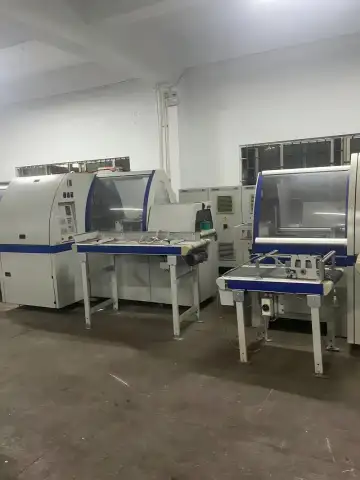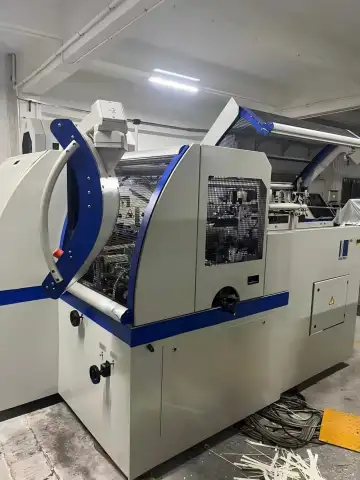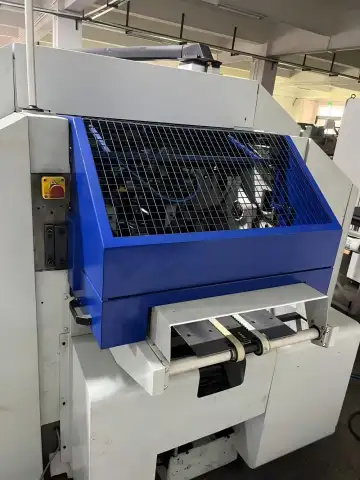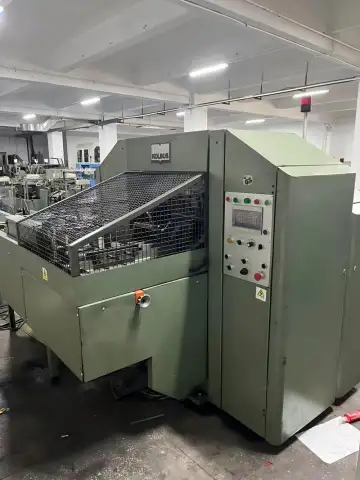
KOLBUS HD140 Three Knife Trimmer
Kolbus
MORE
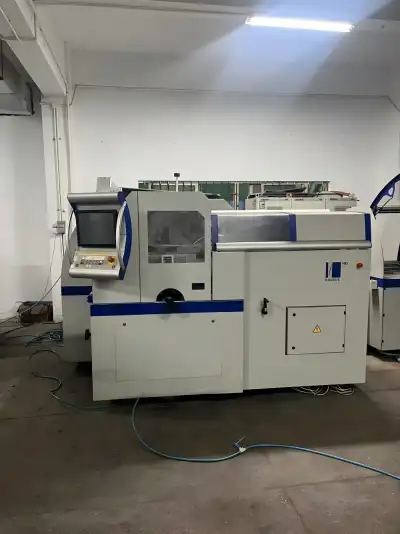
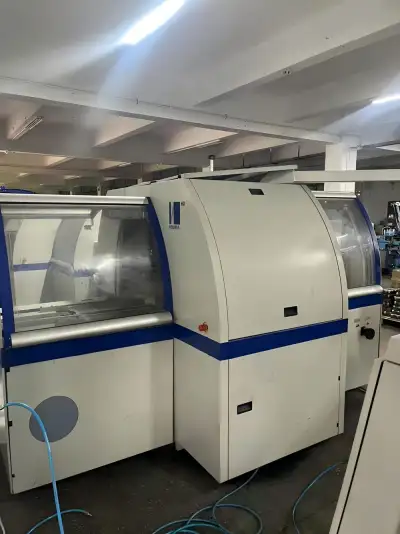
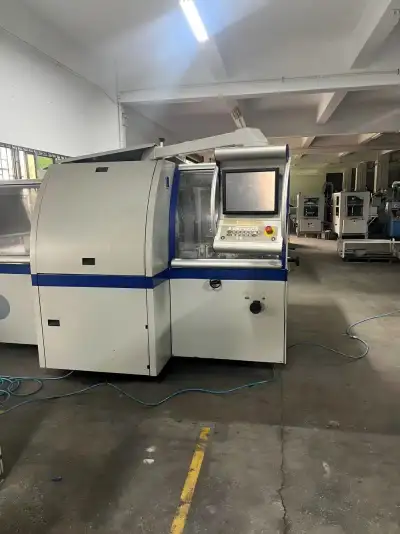
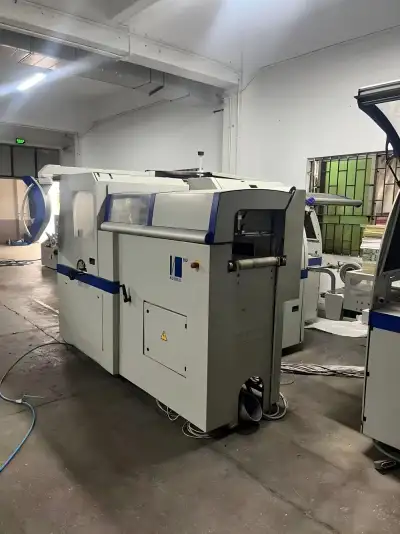
Parameters:
Max Book Block Size: 300x400x80mm
Min Book Block Size: 100x120x2mm
Machine Speed: 6600pcs/h

Configurations:
Infeed from the right
Standard cutting cassette system
Co-pilot for automatic format adjustment
2 sets of knives
A bindery machine is essential equipment used in the printing industry to bind multiple printed pages into a finished product. These machines execute a variety of binding styles, including saddle stitching, perfect binding, and hardcover production, as well as specialized methods like coil binding and lay-flat binding. Simultaneously, they perform crucial functions such as collating, stacking, cutting, sewing, folding, and foil stamping.
Investing in a bindery machine significantly increases your productivity and efficiency by automating the post-press workflow. It allows you to produce high-quality books and brochures in a fraction of the time required for manual binding, lowering operational costs and enabling you to meet tighter deadlines. Furthermore, precision cutting, folding, and binding guarantee professional, defect-free consistency across diverse paper types and sizes.
The mechanism depends on the specific binding style. A saddle stitching machine uses rollers and stitching heads to fold and staple pages together, whereas a perfect binding machine mills the book block, applies hot-melt or PUR glue to the spine, and attaches the cover. Hardcover binding involves combining a sewn book block prepped with backing materials with a hardcover case. Most continuous bindery lines share core modules: a feeder, a transport or folding section, a stitching/gluing mechanism, a trimmer, and a delivery conveyor.
The difference is fundamental. Most market providers are simply traders selling standard "used" equipment strictly "as-is," passing the risk to the buyer. We are the unique exception. With over 30 years of dedicated experience, we conduct a comprehensive inspection, resolve mechanical faults, upgrade systems, and restore factory-level reliability. We do not just clean machines; we rebuild them.
If you are expanding or building a new line, a new machine is recommended for the latest tech. If you are satisfied with a classic model or have budget constraints, a refurbished machine is your best choice, providing factory-level reliability. Standard used machines are only recommended if you have a strong in-house technical team for self-maintenance.
We primarily acquire our base machines from the European market (Germany, the UK, and France). This ensures the equipment has benefited from strict maintenance schedules and high original manufacturing standards. Every machine comes with a documented usage history.
Our process involves complete structural and mechanical diagnosis, dismantling sections to replace worn parts, deep cosmetic cleaning, repainting, and software upgrades. Backed by our in-house CNC machining center and engineers with over 30 years of experience, we guarantee parts and repairs are of the highest standard.
Every machine listed is in premium operational condition. Note that each unit is a unique asset (1 of 1). Once sold, it is removed from the market. What you see in the photos is the exact machine you will receive, including its original nameplate.
Simply fill out the inquiry form on the equipment page. We use a "one machine, one price" policy because each unit has a unique refurbishment history and configuration. Real-time adjustments are made based on market demand.
We support standard B2B international terms: typically a T/T (Telegraphic Transfer) deposit to secure the machine, with the balance cleared prior to shipment or via an Irrevocable Letter of Credit (L/C).
We offer a Service Guarantee Protection Plan that provides comprehensive mechanical and electrical warranty support. Unlike "as-is" dealers, we stand firmly behind our rebuilding process.
Absolutely. We maintain long-term inventory for wear parts. You can visit our specialized platforms: www.pspare.parts for parts or www.bookbindmaterials.com for consumables.